

















On Page Navigation
On Page Navigation
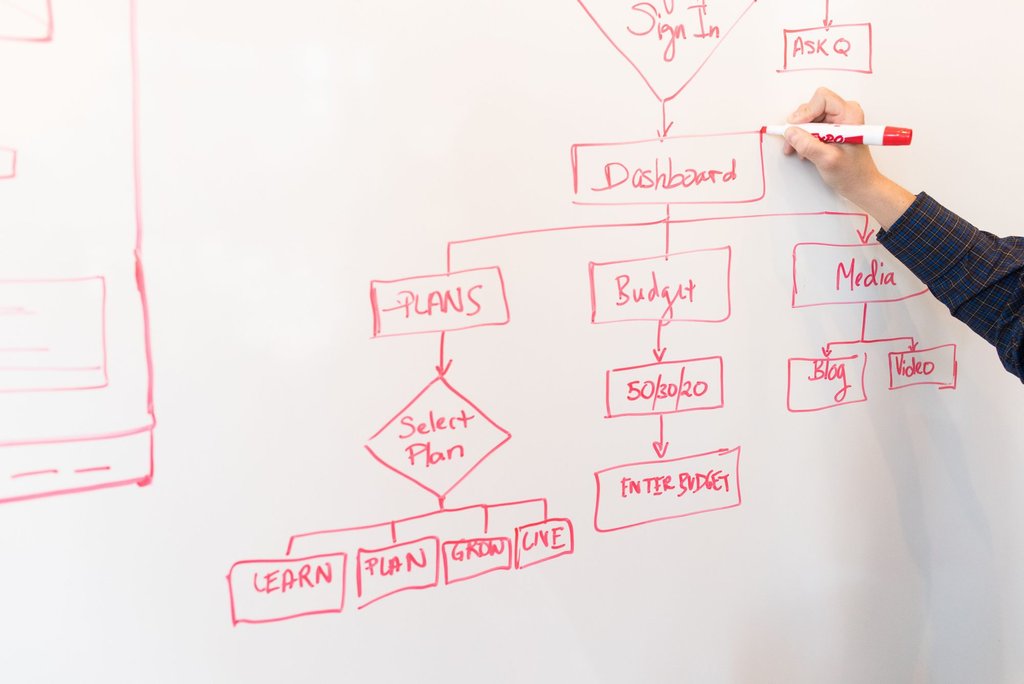
Your integrations are the wiring between every system you run, and they usually get built once by whoever had time. Managed Zoho Flow puts that wiring under active management. We design and build the flows, connect your Zoho and third party apps, write the custom functions the logic needs, watch every execution for failures, and fix them before a missing record turns into a missing invoice.



Automation that keeps working after launch
Integrations are infrastructure that almost nobody treats as infrastructure. A flow gets built, demoed once and forgotten, and then an OAuth token expires on a schedule nobody wrote down. Three months later somebody notices the invoices stopped syncing, and the backlog has to be reconciled by hand.
Tokens are what catch people out. OAuth connections expire on their own schedule, and a flow with a lapsed token often fails without telling anybody. So connections are reauthorized before they lapse rather than after somebody notices. Failures raise an alert instead of a log entry. Executions are reviewed, because a flow that runs and does the wrong thing looks exactly like one that works. And every flow is documented, so whoever debugs it in two years is not starting from nothing.

You do not need to learn a flow builder or set aside an afternoon to work out why a step keeps failing. Tell us what should happen when a record changes, and we build it, test it, and confirm it runs. The fiddly part gets done by people who do it daily.

A broken flow rarely announces itself. Records simply stop arriving, and somebody notices weeks later. We review execution history on a schedule, so a timeout, a revoked token, or a silently skipped step gets found and fixed before it turns into a gap in your data.

Tokens expire, passwords rotate, and somebody in IT revokes an app permission during a tidy up. Any of those takes a flow offline without warning. We audit every connection on a schedule and reauthorize ahead of expiry rather than after your billing run has already failed.

Most companies cannot say how many automations they are running or what each one touches. We document every flow: its trigger, the apps it reaches, and who asked for it. Automation stops being tribal knowledge and becomes something a new hire can read on day one.

Everything is built inside your own Zoho organization under your own subscription. Nothing sits behind an agency login, so there is no export to negotiate and no leverage held over you. If you ever bring this back in house, you already have all of it.

Connectors cover most of what you want, and then one step needs real code. We write Deluge functions for that logic, comment them, and keep versions, so the next change does not begin with somebody reverse engineering what an earlier contractor left behind.
Why teams stop building these themselves
Building one flow is a pleasant afternoon. Keeping twenty of them running while APIs change, staff leave, and your processes shift is a different job, and it is the one that decides whether your systems still agree with each other next quarter. Here is how the two approaches compare.

In house, a new automation waits for the one person who knows the builder, and they are usually mid project. Under a subscription you send the request and it gets built, tested, and documented, typically within days.


A broken automation does not throw an error anyone sees. Records just stop arriving, and the gap surfaces at month end. We review execution history on a schedule, so failures get found while they are still small.
Automations built by a contractor who left are the ones people are afraid to touch. We inventory what exists, document what each flow triggers on and touches, and retire the redundant ones with your sign off.
Zoho Flow bills per action step, so a flow that filters late can consume a month of allowance in a week. We filter early and consolidate steps, which usually keeps clients on a smaller plan than they expected.
An automation tool has no reason to care what runs on either end of it. We manage the wider Zoho environment, so when a failing flow is really a CRM permission problem, we say so, and we flag when Zoho One costs less than adding apps one by one.
Hourly integration work makes every small change feel expensive, so people stop asking and build spreadsheets around the gap. A flat monthly rate makes the cost predictable and puts the incentive on us to keep your flows running rather than billable.
Built for companies running on more than one system
Integration matters the moment two systems both hold a version of the truth. If your sales data, your invoices, and your support tickets live in different places and somebody is retyping between them, or if the automations you already have are fragile enough that nobody will touch them, this is usually the fix.


How we work with you
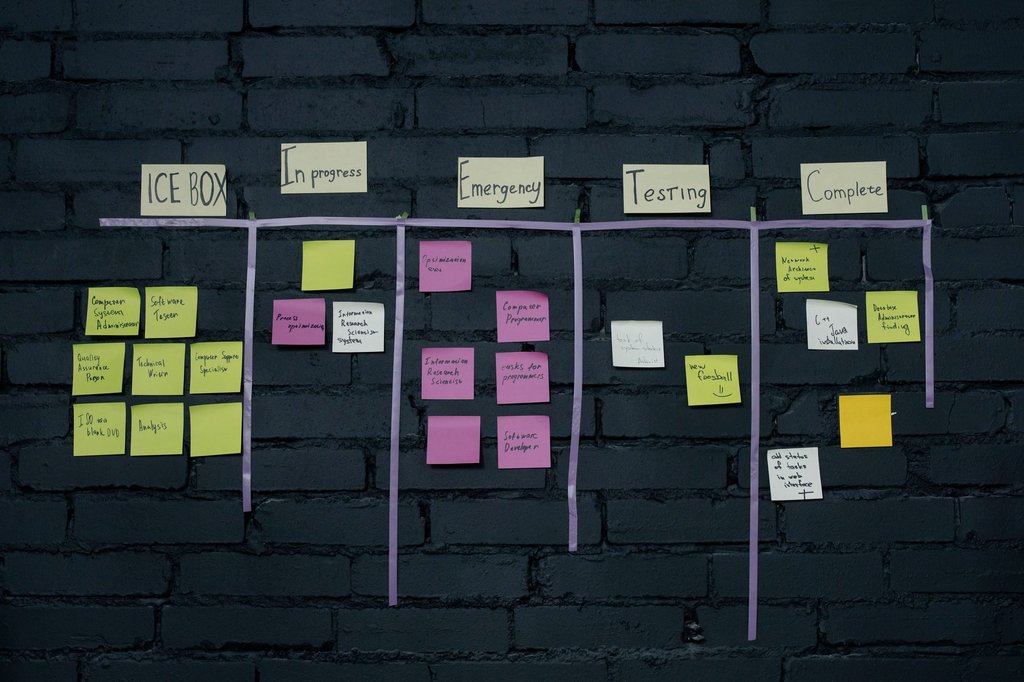
Whether you are automating your first handoff or untangling flows somebody else left behind, the sequence is the same. We map what should happen, build and test it, then run it. Most clients have their first automations live within a couple of weeks and stop thinking about them after that.
1
We start by writing down the process you want automated, including the parts nobody usually says out loud: what happens when a field is blank, when a customer appears twice, or when the other system is down. We also audit any flows you already run and record what each one touches. That list is usually longer and messier than anyone expects.
2
We set up the app connections under service level access, build the triggers and branches, write any Deluge functions the logic needs, and map the fields between systems. Then it runs against test records, then a slice of live data. Your old process stays available until the new one has proven itself on real work.
3
From there you send us change requests and we build them, usually within days. We review execution history, catch the failures that would otherwise surface at month end, reauthorize connections before they expire, and keep the documentation current. Integrations stop being something you find out about when a customer calls.
Pricing
Managed Service
ALSO AVAILABLE
DETAILS
Bundled Service
/per month, all Zoho apps
renews on the 1st of each month
DETAILS
Running more than one Zoho app? The Zoho One bundle covers every app under one monthly plan instead of stacking separate app subscriptions on top of each other. CRM, Books, Desk, Projects, Flow, and the rest get managed together for less than four individual app plans, which is where most multi-app teams end up.
Testimonials
Everything we manage