















On Page Navigation
On Page Navigation
Zoho Bookings can take appointments around the clock, once someone builds the booking pages, sets the availability rules, and keeps the calendar syncs honest. That part is a job. We handle it on a flat monthly plan: booking pages built around the services you sell, staff calendars connected two ways, reminders checked so they actually send, and broken connections fixed before a customer claims a slot you cannot keep.



Scheduling that runs itself
A customer who cannot book does not raise a support ticket. They close the tab and try somebody else. That makes scheduling one of the few systems whose failures never reach you as complaints, which is exactly why a dead calendar sync or a reminder that stopped sending can run for months before anyone notices.
So the checks are the ones a complaint would never prompt. Availability is tested against the calendars the software actually reads, including the ones staff quietly moved to. Reminders are verified as delivering, since a reminder that stopped looks exactly like one that worked. Buffers, lead times and cancellation rules get revisited when the team changes shape. Timezones are tested rather than trusted. And the whole flow is walked through on a phone, because that is where most bookings come from.

A dead calendar connection does not announce itself. It simply stops blocking time, and your booking page starts offering slots that are already taken. We monitor sync status for every connected staff calendar and repair breaks as they happen, so a customer never claims an hour you cannot honor.

Default buffers and lead times rarely fit how a real team works. We set availability, minimum notice, travel gaps, and daily caps against how your staff actually deliver each service, so the calendar stops promising a day that nobody could physically get through.

The built-in settings cover common scheduling well. The awkward cases need more: custom intake logic, bookings created from another system, or data pushed somewhere Bookings does not natively reach. We build those with the Zoho Bookings API and Deluge, so an unusual requirement does not turn into a permanent workaround.

A booking page carrying every service you have ever offered is a page people abandon. We start from what a customer is trying to book, show only what they need in order to choose, and keep the intake questions short enough to finish on a phone.

Everything we build lives inside your own Zoho Bookings subscription, under your ownership. If you ever change providers, the booking pages, rules, and integrations stay exactly where they are. Nothing sits in an agency account, so there is no export to negotiate and no leverage held over you.

Zoho Bookings prices by staff member, and the lower tiers cap the integrations and branding you can use. We track your usage against your current plan and flag a change before a limit blocks something you need mid-season. You stay ahead of the cost rather than reacting to it.
Why teams stop running this themselves
A consultant can set up a booking page for you. Keeping it accurate as your staff, your services, and your busy seasons change is a different job, and it is the one that decides whether customers still get a working booking link a year from now. Here is how the two approaches compare.

Every new service means a fresh quote and a wait when you are billing hourly. Under a subscription, you ask and we configure it. Changes inside your allowance are simply part of the service, so your booking pages keep up with what the business actually sells.


A standalone scheduler leaves appointments stranded in a tool nobody else opens. We connect Bookings to Zoho CRM and Desk so each appointment attaches to the right contact, deal, or ticket, and whoever takes the meeting sees the history before it starts.
Most providers quote a rebuild because it is easier than reading someone else's work. We audit what exists, walk the booking flow the way a customer meets it, and tell you honestly which parts are worth repairing and which should be rebuilt clean.
Sharing one login or giving everyone full access is common and risky. We manage roles so each person opens their own schedule, a manager sees the whole team, and nobody keeps calendar access after they have left the company.
A scheduling-only contractor has no reason to look at what else you run. We manage the wider Zoho ecosystem, so when your booking problem is really a CRM or Desk problem, we say so, and we flag when Zoho One costs less than adding apps one by one.
Hourly work makes every busy month an unpleasant invoice, which quietly discourages you from asking for things. A flat monthly rate makes the cost predictable and puts the incentive on us to keep your scheduling stable rather than to accumulate billable hours.
Built for teams that run on appointments
Zoho Bookings earns its keep when appointments arrive faster than anyone can answer the phone, or when several staff share one calendar and one customer base. If your team still trades emails to find a time, or loses steady revenue to no-shows, this is usually the fix.



How we work with you
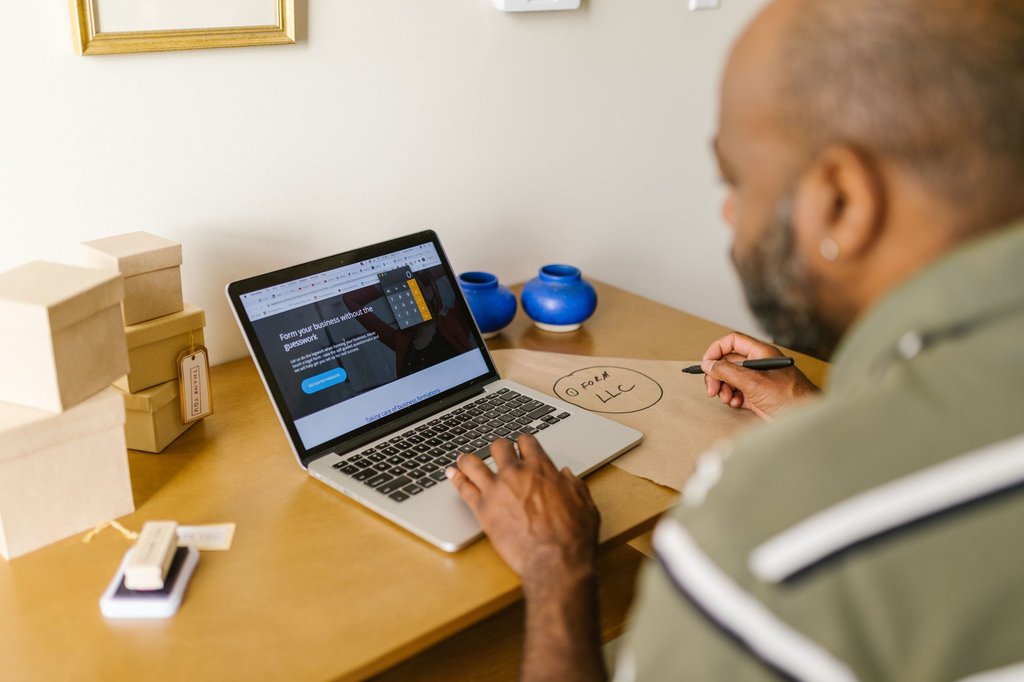
Whether you are starting from nothing or inheriting a setup somebody else built, the sequence is the same. We work out how you want scheduling to run, connect the calendars and test the flow, then publish the booking pages and keep them working afterward. You see something live within weeks rather than at the end of a quarter.
1
We start with a consultation about the services you sell, who delivers them, how long each one really takes, and when your busy periods land. Then we look at how customers reach you today and where that breaks down. If a rule you want turns out to conflict with another, this is where you find out, rather than after the page is live.
2
We connect each staff calendar two ways, set availability, buffers, and lead times to match how your team actually works, then book test appointments the way a customer would. Scheduling that goes live untested produces confident double-bookings, which costs you more goodwill than having no booking page at all.
3
We publish the booking pages, embed them where your customers already are, connect CRM and video meetings, and hand over access with permissions already sorted. From there it stays managed. Syncs get monitored, failed reminders get repaired, rules get updated as the team shifts, and new services get configured as you add them.
Pricing
Managed Service
ALSO AVAILABLE
DETAILS
Bundled Service
/per month, all Zoho apps
renews on the 1st of each month
DETAILS
Running more than one Zoho app? The Zoho One bundle covers every app under one monthly plan instead of stacking separate app subscriptions on top of each other. CRM, Books, Desk, Projects, Bookings, and the rest get managed together for less than four individual app plans, which is where most multi-app teams end up.
Testimonials
Everything we manage