















On Page Navigation

Managed Zoho Assist Services for Remote Support Unattended Access Session Auditing

Our managed Zoho Assist services cover the parts of remote support that quietly go wrong: technician seats nobody revoked, unattended agents that were never deployed past the first ten machines, session recording switched off, access policy written two years ago. We provision the org, roll agents out across Windows, macOS, and Linux, wire it into Zoho Desk, and keep the whole thing accurate as your team changes. You support your users. We keep the tool working.


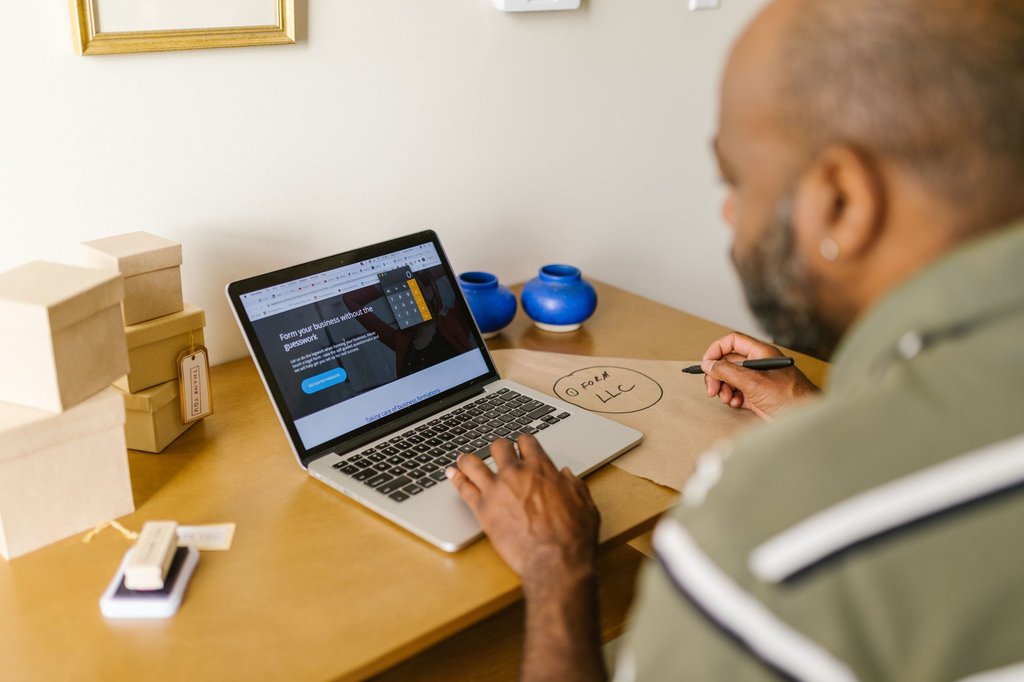
Cascadia engineer reviewing unattended device status across dual monitors.

Remote access, actually administered

What makes our managed Zoho Assist different

Remote support software gets bought in an afternoon and configured badly for years. The gap between a working setup and a risky one is almost entirely administration: which technicians can reach which machines, whether sessions are recorded, and whether the agent sitting on that forgotten server still checks in. These are the six things we do that a reseller relationship never covers.

Underneath all six is the same question asked repeatedly: who can reach what, and can you prove it afterwards. Technician groups are scoped so support staff reach the machines they support and nothing else. Unattended agents are inventoried, because the real risk is the server nobody remembers enrolling. Session recording and consent settings match your policy rather than the default. Departing staff are removed the day they leave. And the configuration is written down, so it survives the person who set it up.

Managed versus self-run

Managed Zoho Assist vs running it yourself

Buying Zoho Assist is easy. Keeping it correctly configured across a changing team and a growing device list is the part that gets skipped. Here is how a self-run org typically compares to one we administer, across the six areas where the difference actually shows up in practice.

Fleet coverage vs a few machines

A self-run rollout usually covers the machines somebody had time to install. We enroll the whole fleet in bulk, confirm each agent reports in, and re-check coverage as devices are added and retired, so unattended access means the fleet rather than a subset of it.

Scoped access vs everyone everywhere

Most self-run orgs give every technician access to every device, because scoping it properly takes effort nobody has time for. We group devices, map technicians to only what their role needs, and revise it when people change teams, so a seat never becomes a master key.

Audited sessions vs no record at all

Recording and audit logs come with Zoho Assist and are usually left switched off. We enable them, set retention to your policy, and keep the trail intact, so privileged access stays reviewable instead of something you reconstruct from memory after an incident.

Ticket-linked sessions vs a side tool

Run on its own, Zoho Assist leaves no trace in your ticketing. We connect it to Zoho Desk and Zoho CRM, or to your third-party service desk through the API, so session history lands where your team already goes looking for it.

Same-day offboarding vs stale seats

Departed technicians keep working accounts far longer than anyone intends. Tell us somebody has left and we revoke the seat that business day, then audit the whole technician list on a schedule so stale access never accumulates between reviews.

One invoice vs two vendors

Self-run means a Zoho billing relationship to administer alongside whoever else you pay. We carry the license and bill it with the management fee on a single invoice, then hand the subscription back to your own account intact if you ever decide to leave.

Built for teams that support machines

Who managed Zoho Assist fits best

Zoho Assist earns its keep when somebody on your side is responsible for other people's computers. If you support staff across locations, run servers that need reaching at odd hours, or already work inside the Zoho suite, an administered setup removes work rather than adding a tool to babysit.


How onboarding runs

How we set up and run Zoho Assist

Onboarding runs in three phases: we work out what your environment actually needs, build the org and get agents onto machines, then run it as your team and device list keep changing. Most organizations are live inside a week, and larger fleets take longer mostly because of agent deployment.

1

We scope technicians, devices, and policy

We start by working out how many technicians you need, how many devices have to be reachable, and what your access and recording policy should actually say. That determines the Zoho Assist edition and the license cost, so you get a real number rather than an estimate. If you already run Assist, this is also where we audit what is configured today and find the gaps.

2

We build the org and deploy the agents

We provision technician seats, set up two-factor and single sign-on, define device groups, and configure recording and retention. Then agents go out across your Windows, macOS, and Linux machines, in bulk wherever your tooling allows it. We confirm each device reports in rather than assuming the installer ran, and we wire in Zoho Desk or your service desk before handing over.

3

We run it and keep access accurate

From there it is ongoing administration. Seats get added and revoked as people join and leave, new devices get enrolled, policy gets revised, and the technician list gets audited on a schedule. Your team contacts us when a device will not connect or a setting needs changing, and you get a monthly view of session volume and device coverage.

Transparent pricing for managed Zoho Assist

Pricing

Managed Zoho
Assist

Managed Service

$300.00
/per month, per organization
Zoho Assist license included

DETAILS

A flat monthly management fee covering your entire Zoho Assist organization, not a charge per technician, so adding staff does not change what you pay us. We provision seats, deploy and verify unattended agents, enforce access and recording policy, and integrate your service desk. The Zoho Assist license is carried on your behalf and billed on this same invoice.

Managed Zoho
One

Bundled Service

$2,000.00

/per month, per organization​

renews on the 1st of each month​

DETAILS

Best for organizations that want every Zoho application they run managed under one agreement, from CRM and Desk through Books, Projects, and Assist itself, with all licenses carried on your behalf and billed alongside the fee.

Pricing is set per organization rather than per application, so adding another Zoho app does not add another vendor or another invoice to approve.

All Apps Included

Testimonials

Here's what others had to say

Everything we administer

Complete managed Zoho Assist coverage

This is the icon that represents WordPress updates.Cascadia Web Services logo

Technician Seat Provisioning

We create, configure, and license every technician seat in your Zoho Assist org, so your support staff can start sessions on day one without waiting on an admin.
This is the icon that represents WordPress updates.Cascadia Web Services logo

Attended Session Configuration

On-demand support sessions are set up the way your team works, including join methods, session codes, and the customer-side flow that end users actually see.
This is the icon that represents WordPress updates.Cascadia Web Services logo

Branded Support Portal

Your Zoho Assist join page and customer app carry your company name and logo, so the people you support recognize who is connecting to their machine.
This is the icon that represents WordPress updates.Cascadia Web Services logo

File Transfer and Chat Setup

In-session file transfer, chat, and annotation tools are enabled and scoped to your policy, so technicians can move installers and notes without a second tool.
This is the icon that represents WordPress updates.Cascadia Web Services logo

Unattended Agent Deployment

We install and register the Zoho Assist unattended agent across your fleet so technicians can reach machines that nobody is sitting in front of.
This is the icon that represents WordPress updates.Cascadia Web Services logo

Bulk Device Enrollment

Large rollouts go out through deployment links, installers, or your existing management tooling instead of one machine at a time.
This is the icon that represents WordPress updates.Cascadia Web Services logo

Device Grouping and Naming

Devices are organized into groups with a consistent naming convention, so a technician finds the right machine in seconds rather than scrolling a flat list.
This is the icon that represents WordPress updates.Cascadia Web Services logo

Wake on LAN and Remote Reboot

Power controls are configured where your network supports them, so a sleeping or hung machine can be brought back without sending someone to the site.
This is the icon that represents WordPress updates.Cascadia Web Services logo

Access Policy Enforcement

We define which technicians reach which device groups, and keep those permissions accurate as people join, change roles, and leave.
This is the icon that represents WordPress updates.Cascadia Web Services logo

Two-Factor and SSO Setup

Technician accounts are protected with two-factor authentication and, where you use it, single sign-on through your existing identity provider.
This is the icon that represents WordPress updates.Cascadia Web Services logo

Session Recording and Audit Logs

Sessions are recorded and logged according to your retention policy, giving you a reviewable trail of who connected to what and when.
This is the icon that represents WordPress updates.Cascadia Web Services logo

Consent and Privacy Controls

End-user consent prompts, idle timeouts, and blank-screen options are configured so remote access stays within the boundaries your policy sets.
This is the icon that represents WordPress updates.Cascadia Web Services logo

Zoho Assist License Management

We hold the Zoho Assist subscription on your behalf and bill it on the same invoice as this service, so you deal with one vendor instead of two.
This is the icon that represents WordPress updates.Cascadia Web Services logo

Cross-Platform Agent Rollout

Agents are deployed and kept current across Windows, macOS, and Linux, including the differences each platform introduces during install.
This is the icon that represents WordPress updates.Cascadia Web Services logo

Mobile Device Support Setup

Android and iOS remote support is configured where your plan covers it, so phones and tablets are not a gap in your support coverage.
This is the icon that represents WordPress updates.Cascadia Web Services logo

Zoho Desk Ticket Integration

Remote sessions launch from inside a Zoho Desk ticket and write back to it, so support history stays in one place instead of two systems.
This is the icon that represents WordPress updates.Cascadia Web Services logo

Zoho CRM Contact Integration

Technicians can start a session from a CRM record, which keeps account context attached to the support work you do for that customer.
This is the icon that represents WordPress updates.Cascadia Web Services logo

Third-Party Helpdesk Integration

If your ticketing lives outside Zoho, we wire Zoho Assist into it through the available integrations or the API, so the workflow still holds together.
This is the icon that represents WordPress updates.Cascadia Web Services logo

Unlimited Technician Support

Your technicians can reach us whenever Zoho Assist misbehaves, a device will not connect, or a policy needs changing, with no per-ticket charge.
This is the icon that represents WordPress updates.Cascadia Web Services logo

Monthly Session Reporting

You get a monthly view of session volume, technician activity, and device coverage, so you can see how remote support is actually being used.

Answers to common Zoho Assist questions

Frequently asked questions
What is managed Zoho Assist?
Managed Zoho Assist means we run the platform for you instead of handing you a login and walking away. We provision technician seats, deploy unattended agents to your devices, enforce access and security policy, wire Zoho Assist into your helpdesk, and keep all of it working as your team and device list change. You get remote support that is configured properly and stays that way, plus a support line when something goes wrong.
What is Zoho Assist?
Zoho Assist is Zoho's remote support and remote access product. It lets a technician connect to another computer to troubleshoot it, either in an attended session where the user is present and consents, or through an unattended agent installed on the machine ahead of time. It covers Windows, macOS, Linux, and mobile devices, and includes file transfer, chat, session recording, and integrations with the rest of the Zoho suite.
Is the Zoho Assist license included in the price?
We carry the Zoho Assist subscription on your behalf and bill it on the same invoice as the management fee. That means one vendor, one invoice, and no separate Zoho billing relationship to administer. The license cost depends on the edition and technician count you need, and we will size that with you before anything starts. The management fee itself is flat.
How much does managed Zoho Assist cost?
The management fee is a flat monthly rate for your organization, not a per-technician charge, so adding a technician does not change what you pay us. The Zoho Assist license sits on top and varies with the edition and seat count you choose. Zoho Assist pricing on its own is straightforward, but the edition you need is not always obvious, so we scope it with you rather than guessing.
What is unattended access and do I need it?
Unattended access lets a technician connect to a machine when nobody is sitting at it. An agent is installed on the device ahead of time, and from then on it can be reached without someone clicking to accept. It is how most internal IT teams work, because waiting for a user to be available turns a five minute fix into a two day ticket. If you support servers, kiosks, or staff across time zones, you need it.
How many devices can you enroll?
There is no cap from our side. The practical limit is the unattended device allowance on your Zoho Assist edition, and we size that with you during scoping. For larger fleets we enroll devices in bulk using deployment links or your existing management tooling rather than installing one machine at a time, so a few hundred endpoints is a normal rollout rather than a special project.
Is Zoho Assist safe to use?
The product itself uses encrypted sessions, consent prompts, and detailed logging. Most of the real risk in remote access tools comes from configuration rather than the software: stale technician accounts, permissions that were never scoped, recording that was never switched on. That configuration work is exactly what this service covers. We set the policy, enforce it, and keep it accurate as people join and leave.
Can you record and audit remote sessions?
Yes. We enable session recording and configure retention to match your policy, along with the audit logs that show which technician connected to which device and when. If you operate under a compliance framework that requires a reviewable trail of privileged access, this is usually the part that matters most, and it is worth setting up correctly at the start rather than after an audit asks for it.
How does Zoho Assist compare to TeamViewer?
Both do attended and unattended remote support competently. Zoho Assist is generally cheaper per technician and integrates natively with Zoho Desk and Zoho CRM, which matters a great deal if your support and sales work already lives in Zoho. TeamViewer has a longer track record in some enterprise environments. If you are already running Zoho, Assist is usually the more sensible choice on both cost and workflow grounds.
Do you integrate Zoho Assist with Zoho Desk?
Yes, and it is one of the more valuable things you can do with it. Technicians launch a remote session directly from a Zoho Desk ticket, and the session details write back to that ticket when the work is done. Support history stays in one place instead of being split between a ticketing system and a separate remote tool. We configure the same pattern for Zoho CRM where it helps.
What if our helpdesk is not Zoho?
That is common and it is not a problem. Zoho Assist has integrations with several third-party service desks, and where a native integration does not exist we can wire it up through the API so sessions still launch from and report back to your ticketing system. We scope that during onboarding so you know what is achievable before committing.
How long does setup take?
A straightforward organization with a handful of technicians and a modest device count is usually live within a week. Larger rollouts take longer, mostly because of unattended agent deployment across the fleet and any identity provider work for single sign-on. We give you a realistic timeline after scoping rather than a standard promise that does not survive contact with your environment.
What happens when a technician leaves?
Tell us and we revoke the seat the same business day. Offboarding is one of the weakest points in most remote access setups, because a departed technician with a live account can still reach every machine they had access to. We treat account removal as a security task rather than a licensing cleanup, and we audit the technician list on a regular schedule regardless.
Do you support our end users directly?
No. This service supports your technicians and your Zoho Assist environment, not your end users. If a device will not connect, a policy needs changing, or an agent is misbehaving, your team contacts us. Your team still handles their own users. If you want us handling end-user support as well, that is a separate conversation and a different engagement.
Can I cancel or move the license back to us?
Yes. The service is month to month, and if you leave, the Zoho Assist subscription transfers to your own Zoho billing rather than being cancelled out from under you. Your org, your devices, your session history, and your configuration all stay intact. We are not interested in holding your remote access hostage as a retention strategy.
​Contact

Ask Us Anything

We’d love to hear from you!