













On Page Navigation

Managed Frappe Wiki for Handbooks Product Docs Policies

Documentation that lives on your own site, with a full record of who changed what and a review step before an edit goes live. We design the space structure, move what you already have, repair what breaks in transit, and run it after launch.


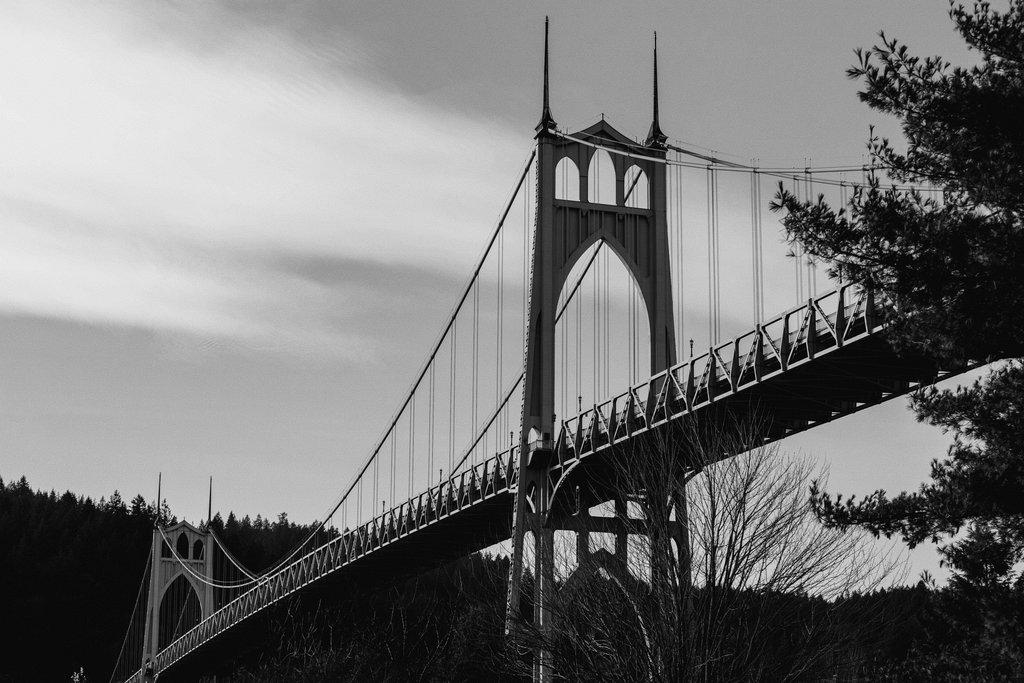
A Cascadia engineer reviewing a Frappe Wiki configuration

What Managed Frappe Wiki Covers

A wiki that survives its own migration

Installing Wiki takes an afternoon. The work is deciding the space and group structure before any content moves, because Wiki v2 organises pages two levels deep and a deeper hierarchy gets flattened on the way in. Where the material is something a person has to complete rather than look up, the learning platform we manage is the better home for it.

So the first pass is an inventory of what you already have and an honest decision about what is worth keeping. Most documentation migrations fail because everything gets moved, including the pages nobody has opened in three years, and the result is a search that returns noise. We agree the structure first, move what earns its place, set permissions by team, and put a review date on the pages that go stale fastest. What arrives is smaller than what you started with, and people use it.

Frappe Wiki Against the Alternatives

How it compares with what you are paying for now

Most teams arrive here from a per-seat tool whose bill has quietly grown, or from a shared drive with no history at all. The honest comparison is not a feature count. It is whether you want the content in a database you control, and whether somebody is going to own the thing once it exists. We manage the rest of the Frappe application range on the same footing.

Where your content actually lives

In your own database, authored in markdown, on an openly licensed application. Export it whenever you like. A hosted tool holds your documentation and prices your access to it, which is comfortable until the renewal arrives. Our knowledge base software comparison sets out where each of the hosted tools stops.

What it costs as you grow

One flat monthly price that does not move when you add readers or authors. Per-seat documentation pricing charges you for the exact behaviour you are trying to encourage, which is more people reading it and more people fixing it.

Review before publication

Contributor edits are held as patches until somebody approves them. Lighter tools tend to either let everything through immediately or lock editing down to a few accounts. The space between those two is where wrong instructions get published and stay published.

Running alongside your other systems

Wiki sits on the same Frappe site as your other apps and shares its user accounts, so an employee exists once. A separate documentation product is another account list to keep current and another one somebody has to remember at offboarding.

The operational burden

Self-hosting is real work. Upgrades, backups, Redis, TLS and the restore you hope never to need. That is the true cost of ownership and taking it is what you are paying us for. If nobody is going to take it, a hosted tool is the better answer and we will tell you so.

Getting your existing documentation in

Markdown converts well. Internal links, hotlinked images and tables built in a proprietary editor do not. Whoever moves the content owns those repairs, and the number of them is the real size of the project.

Who This Is Built For

Where a managed wiki earns its place

There is a floor under this. If you are a handful of people who need somewhere to write down how things work, running your own application is more machinery than the problem deserves, and a hosted knowledge base we set up and manage will serve you better for less. Frappe Wiki starts to pay when you want the content in a database you control, when an approval trail matters to somebody outside your team, or when you already run a Frappe site and this is one more app on it.


How We Get You There

Three steps, and the first one is the one that matters

Most of the risk in a documentation project sits at the beginning rather than the end. Structure decided badly is expensive to undo once pages have routes and other people have linked to them.

1

Audit and structure

We look at what you have now, who reads it, and who should be allowed to change it. Out of that comes the space layout, the group and page structure inside each space, and the permission model. If you are migrating, this is also where we find the duplicate sidebar names and the empty titles that would otherwise break the run.

2

Build and migrate

We install Wiki, apply your branding, configure approvals, guest access and search, then move the content and repair what broke in transit. You read the pages that matter most before anything gets announced internally.

3

Train and run

We train the people who will write, on the parts they will actually touch. After that we hold backups, upgrades and support. On Priority we review structure, permissions and stale pages once a quarter and hand you the list.

One price, and it holds as your team grows

Pricing

Managed Frappe Wiki
Standard

Standalone Service

$500.00
/per month, per instance
One active request at a time

DETAILS

A monthly subscription covering implementation, configuration, migration and support for Frappe Wiki. One active request at a time, with a three to five business day turnaround. Author training is included, and anything that has taken your documentation offline jumps the queue. Hosting is available separately through Managed Frappe Cloud.

Managed Frappe Wiki
Priority

Standalone Service

$1,000.00
/per month, per instance
Two active requests at a time

DETAILS

Two active requests running in parallel, with a one to two business day turnaround. Adds a quarterly review of space structure, approval permissions, guest access and the pages nobody has touched in a year. This is the tier for teams whose documentation faces customers, where going stale costs you support tickets rather than patience.

Testimonials

Here's what others had to say

Everything we set up and support

Everything a managed wiki includes

This is the icon that represents an included managed service.Cascadia Web Services logo

What You Get, and What It Replaces

Frappe Wiki is a documentation and knowledge management app running on your own site. For most businesses it replaces a Confluence bill, a Notion workspace nobody prunes, or a shared drive full of policy documents at version 7 final FINAL. The reason to move is usually ownership. You want the content in your own database, with a record of who changed what. If your documentation problem is that nobody writes any, a new tool will not solve it.
This is the icon that represents an included managed service.Cascadia Web Services logo

Hosting and the Platform Underneath

Wiki runs on Frappe Framework, the same platform as ERPNext and every other Frappe app we manage. Where you already run a Frappe site, Wiki becomes another app on it with the same user accounts, so an employee exists once rather than twice. We handle the install, the domain, TLS, the backups and the version upgrades.
This is the icon that represents an included managed service.Cascadia Web Services logo

Wiki Spaces, and Why You Want More Than One

A wiki space is a self-contained wiki with its own route, its own sidebar and its own landing page. Customer-facing product documentation and an internal staff handbook should almost never live in the same space, because they have different readers and different rules about who may see them. We design the space layout before any content moves, since splitting a space afterwards means re-routing every page in it.
This is the icon that represents an included managed service.Cascadia Web Services logo

The Sidebar Is Two Levels Deep, Not a Tree

Wiki v2 organises content as a Wiki Group holding Wiki Pages. That is the whole structure. There is no unlimited nesting, so a documentation set you have been picturing as folders inside folders has to be flattened into groups and pages. This is a real constraint and it is better to design around it deliberately than to discover it halfway through a migration.
This is the icon that represents an included managed service.Cascadia Web Services logo

Migrating an Older Wiki Flattens Your Hierarchy

Frappe's own migration guide is blunt about this. Every Wiki Group, nested or not, comes out un-nested on the other side. Two more traps sit alongside it: sidebars sharing a name have all their children merged under one group, and an empty title field on a Wiki Sidebar breaks the migration. We audit and correct all three before running anything, because after the fact you are rebuilding structure by hand.
This is the icon that represents an included managed service.Cascadia Web Services logo

Content Migration From Confluence, Notion or a Drive

Wiki authors in markdown and rich text, so most content converts cleanly. What does not convert cleanly is everything around the words. Internal links break when routes change, images need to come across as attachments rather than hotlinks to a tool you are cancelling, and tables built in a proprietary editor rarely survive intact. We move the content, fix the links, and check the pages that matter most by hand.
This is the icon that represents an included managed service.Cascadia Web Services logo

The Approval Workflow Runs on Patches

An edit from a user who cannot publish directly is not discarded and it is not live. It is saved as a wiki page patch waiting for review, which means somebody has to actually go and look at the queue. We configure the workflow and set up who watches it, because an approval queue nobody opens is worse than no approval process at all. Contributors stop contributing when their edits vanish for three weeks.
This is the icon that represents an included managed service.Cascadia Web Services logo

The Approval Gate Is System Manager, Which Is a Problem Worth Knowing

In Frappe Wiki, the users who can merge a patch without approval are the ones holding System Manager. There is no separate wiki-approver role. System Manager is the highest-privilege role on a Frappe site, so granting your documentation lead the ability to publish edits also grants them administrative control of everything else on that site. We design around it rather than pretending it is not there, usually by keeping the wiki on its own site or by keeping the approver list very short.
This is the icon that represents an included managed service.Cascadia Web Services logo

Guest Access Is On Until Somebody Turns It Off

Wiki Settings carries a checkbox called Disable guest access. Until it is ticked, an authenticated login is not required to read your wiki. That is exactly right for public product documentation and exactly wrong for an internal handbook. We set it during the build and we check it again after every upgrade, because this is the single setting most likely to put an internal document on the open web.
This is the icon that represents an included managed service.Cascadia Web Services logo

Search and the Redis Dependency

Wiki search is powered by RediSearch, and Wiki Settings carries two separate toggles for it: one that adds the search bar to the navbar and one that actually uses RediSearch to answer queries. Turning on the first without the second gives you a search box that disappoints people. We configure both, confirm Redis is present on the site, and test search against real page content rather than against the word test.
This is the icon that represents an included managed service.Cascadia Web Services logo

Version History on Every Page

Every change is recorded with the author and the timestamp, and previous versions stay available. This is what makes a wiki safe to open up to more contributors, because a bad edit is a revert rather than an incident. We show your editors how to read a revision and how to roll one back, since a safety net nobody knows about does not change anybody's behaviour.
This is the icon that represents an included managed service.Cascadia Web Services logo

Table of Contents and In-Page Navigation

Wiki generates a contents breakdown for each page from its headings, and it can be switched on or off globally. It only works as well as your headings do. Part of what we do during migration is fix heading levels on the pages people actually read, because a contents panel built from inconsistent headings is noise.
This is the icon that represents an included managed service.Cascadia Web Services logo

Custom Scripts Are a Field in Settings

Wiki Settings includes a JavaScript field whose contents run on every wiki page, plus support for custom HTML on individual pages. It is genuinely useful for analytics or a support widget. It is also arbitrary code execution sitting in a settings form, so we treat it as a change to be reviewed rather than a text box anyone may fill in, and we record what is in it.
This is the icon that represents an included managed service.Cascadia Web Services logo

Branding, Dark Mode and Logos

Light and dark mode logos are set separately, and dark mode is enabled by a setting rather than inherited from the browser. Getting this wrong is how a wiki ends up showing a dark logo on a dark background. We set both, check both, and match the wiki to the rest of your web presence so it does not read as a bolted-on subdomain.
This is the icon that represents an included managed service.Cascadia Web Services logo

Reader Feedback and Ratings

Wiki can collect ratings and comments from readers on each page. On customer-facing documentation this is the cheapest signal you will ever get about which pages are failing, and it is switched off by default. We turn it on where it is useful, route the submissions to someone who will read them, and leave it off on internal pages where it just becomes a second inbox.
This is the icon that represents an included managed service.Cascadia Web Services logo

Attachments, Images and Media

Pages carry attachments, images, GIFs and embedded video. What we watch is where those files actually live, because documentation that hotlinks images from the tool you are migrating away from breaks the day that account lapses. Everything comes across as a real attachment on your site.
This is the icon that represents an included managed service.Cascadia Web Services logo

Routes, Redirects and a Custom Domain

Page routes are editable, which is a feature and a hazard. Changing a route on a page that is linked from an email, a support macro or a search result breaks that link silently. We set the route structure at the start, put the wiki on the domain you want, and flag route changes so redirects get written rather than discovered.
This is the icon that represents an included managed service.Cascadia Web Services logo

Backups, Upgrades and Restore

Backups run on a schedule and we test a restore rather than assuming one. Upgrades are applied on a staging copy first, which matters more on Wiki than on most apps, because a v1 to v2 upgrade changes the sidebar data structure permanently. An upgrade you cannot undo deserves a rehearsal.
This is the icon that represents an included managed service.Cascadia Web Services logo

Author Onboarding

We train the people who will write, not the people who will approve budgets. That covers creating a page in the right group, using the draft state instead of publishing a half-finished thought, rearranging the sidebar by dragging it, and understanding why an edit went into a review queue. This is a short session and it is the difference between a wiki that grows and one that holds whatever we migrated into it.
This is the icon that represents an included managed service.Cascadia Web Services logo

Ongoing Support and the Stale Page Review

Documentation does not fail loudly. It goes quietly out of date until somebody follows an instruction that no longer works. Alongside ordinary support, we review the pages that have not been touched in a long while and hand your team a short list of what is most likely wrong now. You decide what to rewrite. We make sure the list exists.

Questions we get asked most

Frequently asked questions
What does Managed Frappe Wiki actually include?
Install and hosting on your own site, the wiki space and sidebar structure designed with you, migration of your existing documentation, configuration of approvals, roles, guest access and search, branding, author training, backups, upgrades and ongoing support. One flat monthly price with no per-seat charge.
How is this different from just installing Frappe Wiki myself?
The install is the easy part and takes an afternoon. What takes longer is deciding the space and group structure before content moves, getting migration through without flattening your hierarchy into an unusable shape, and settling who can approve edits given that the approval gate is a site-wide administrative role. If you have someone in-house who wants to own that, you do not need us.
Can you migrate our documentation from Confluence or Notion?
Yes. The text converts well because Wiki authors in markdown. The work is in what surrounds the text: internal links that point at old routes, images hotlinked from the tool you are leaving, and tables from a proprietary editor. We move the content, repair the links, and manually check the pages your readers actually open.
We have a deeply nested documentation structure. Will it survive?
Not as it stands. Wiki v2 supports a Wiki Group holding Wiki Pages and nothing deeper, and Frappe's migration guide states plainly that every nested group comes out un-nested. We map your existing tree to the two-level structure before anything moves, so the flattening is a decision you made rather than something you find afterwards.
Who is allowed to approve changes?
Users holding the System Manager role can publish directly. Everyone else has their edits saved as a patch for review. This is worth understanding before you plan your workflow, because System Manager is not a documentation permission. It is administrative control of the whole site, so the list of people who can approve wiki edits should be short and deliberate.
Is our wiki public by default?
Effectively yes. Guest access is permitted until the Disable guest access setting is enabled. For public product documentation that is what you want. For an internal handbook it is not, and it is the setting we verify on every build and after every upgrade.
Can we run a public documentation site and a private internal wiki together?
Yes, using separate wiki spaces, each with its own route and sidebar. It is much cheaper to set this up at the start than to split a space later, because splitting means re-routing every page and repairing every internal link that pointed at the old location.
Does search work well?
It works well when RediSearch is configured, and Wiki keeps that as a separate setting from the one that shows the search bar. Enabling only the search bar produces a search box that underdelivers. We enable both and test against your real content.
What happens if somebody deletes or wrecks a page?
Wiki keeps full version history with author and timestamp on every change, so you revert. This is why opening editing rights more widely is less risky than people expect. We show your editors how to read and restore a revision, because a rollback nobody knows how to perform is not really a rollback.
Can we customise the look, or add analytics?
Yes to both. Logos are set separately for light and dark mode, and Wiki Settings carries a JavaScript field that runs on every page, which is where analytics or a support widget goes. We treat that field as reviewed change rather than an open text box, and we keep a record of what is in it.
What does it cost?
Standard is 450 dollars a month. Priority is 900 dollars a month and covers two active requests running in parallel, faster turnaround, and a quarterly review of structure, permissions and stale content. Frappe Cloud hosting or your own server is billed separately at cost.
How long does the initial build take?
A wiki with no existing content to migrate is usually live within two weeks. Anything involving migration depends almost entirely on how much structural repair the source needs, and we tell you that number after looking at your current documentation rather than before.
Do you write the documentation for us?
No. We build the wiki, move what you have, and train the people who know the material. Documentation written by somebody who does not do the work reads exactly like it, and your readers can tell. What we will do is tell you which pages are stale and which ones readers are giving up on.
Is Frappe Wiki the right choice if we are not already on Frappe?
Sometimes not. If you run no other Frappe apps and you want a knowledge base with minimal operational surface, a hosted tool is a reasonable answer and we will say so. Wiki makes most sense when you already have a Frappe site, when you want the content in a database you control, or when the version history and approval trail matter to you.
Can we leave later?
Yes. The content is in your own database, authored in markdown, on an open source application. We will export it and hand it over. There is no contract term designed to make leaving awkward, because a documentation tool that holds your documentation hostage is the problem you were trying to escape.
​Contact

Ask Us Anything

We’d love to hear from you!